

















Ethical and solidarity-based back-to-school
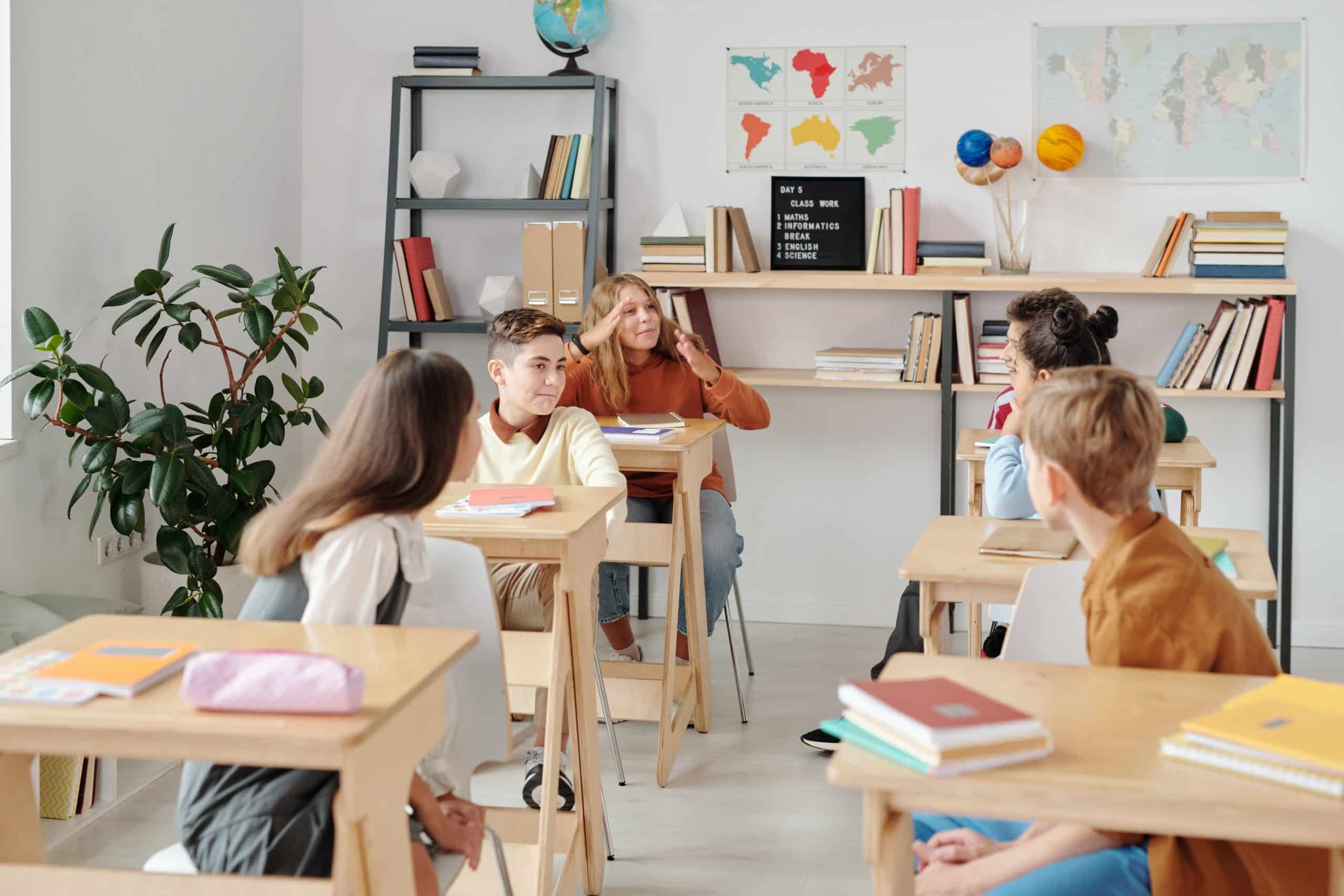
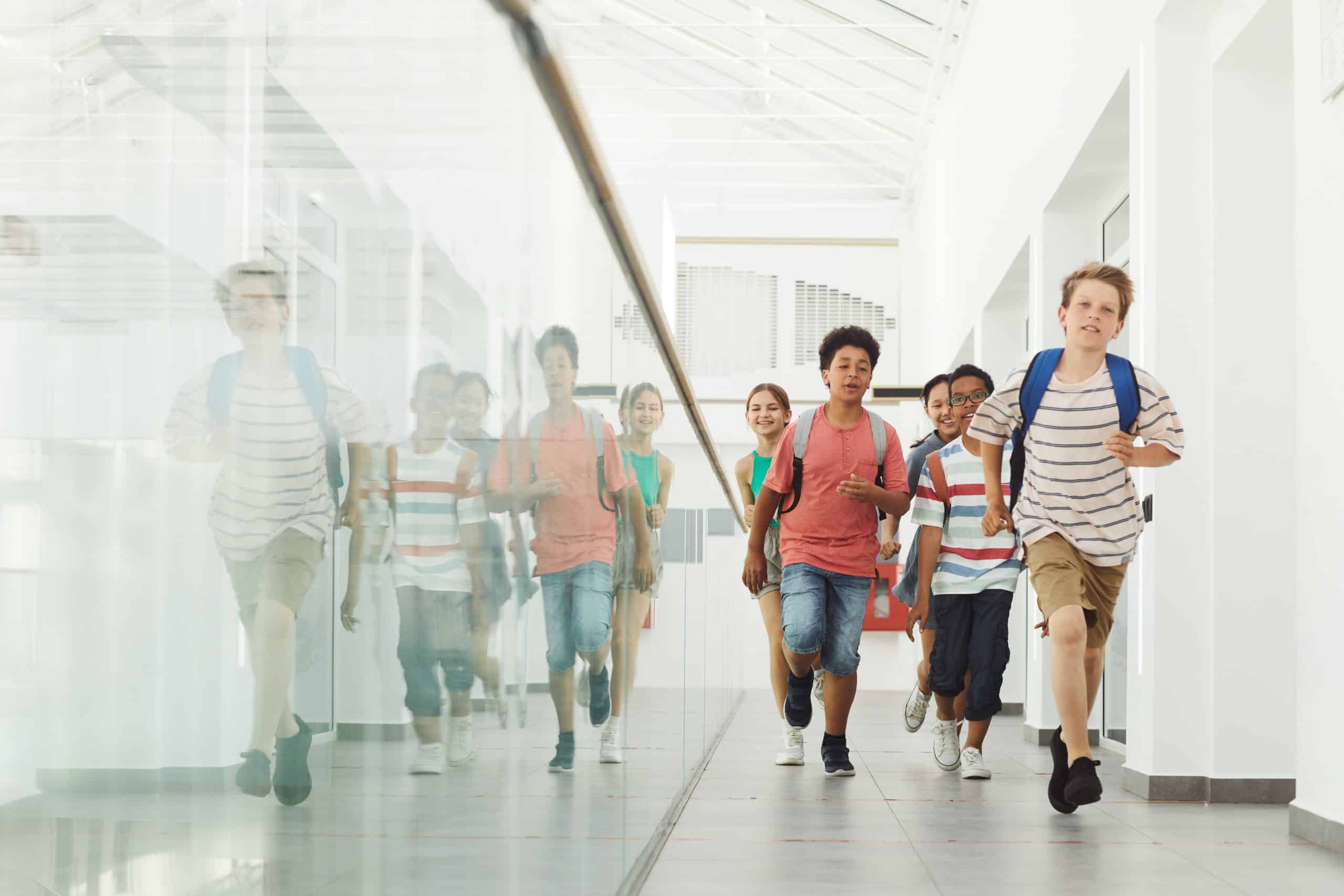
As the new school year begins, Noireônaturel is also making its comeback and offers you an ethical and solidarity-based school year! Happy back to school everyone.
"It's not easy, in the rush of back-to-school shopping, to talk about sustainable development, ecology, and ethics with your children.
Who knows about the Le Texier law?
However, it is to children that we owe a very sensible law, known as the "Le Texier" law of 1999. The bill, adopted by the 5th "Children's Parliament" which meets annually in the Senate, aimed to prohibit schools and local authorities from purchasing supplies that required the use of child labor. It was presented by Mrs. Raymonde Le Texier, MP for the constituency of the winning class, CM2 of the Saint-Exupéry school in Sarcelles, in the Val-d'Oise region. This proposal thus led to law no. 99-478 of June 9, 1999, aimed at promoting respect for children's rights worldwide, particularly when purchasing school supplies.
When you shop
How can you identify ethical school supplies? Since the start of the 2005 school year, AFNOR, which certifies the NF standard, has launched a new label: the NF Environnement ecolabel, printed on the products concerned. This certifies several things:
- That the manufacturing of the product itself respects the environment (less energy, less water, no dangerous chemical substances in inks, for example)
- That the product is of real quality,
- That the papers used are either recycled or come from sustainably managed forests
A bit of family ecology
Ecology starts with small actions at home. For this back-to-school season, it can be interesting for all family members to write a family project that includes:
- Energy savings (turning off lights, closing the fridge properly, learning to run the dishwasher on eco mode, choosing a shower over a bath),
- Choosing school supplies: a little more recycled paper, preferring refillable pens to "disposable" ballpoint pens, opting for wooden rulers, reusing unfinished notebook pages for scrap paper, refilling printer cartridges,
- The recycling reflex: even broken spectacle frames can be collected at the chemist for shipments to developing countries. The same goes for medicines that are no longer used. Phone shops collect used phones and batteries,
- Turning off electrical appliances instead of putting them on standby,
- For the most motivated: lowering the heating by one degree and... putting on a sweater!
- Even harder: choosing biscuits, cakes... that do not contain palm oil, the production of which causes deforestation in Indonesia and the accelerated disappearance of all great apes in these regions.
In the 2006 school year, the Ministry of National Education decreed that sustainable development issues are now an integral part of student education. Environmental education for sustainable development (EESD) is widespread in primary and secondary education. Inquire with your child's school.
Source: Money Mag
Clairefontaine-Unicef share products: choose solidarity!
One Clairefontaine product purchased = support for UNICEF
Choosing the quality of Clairefontaine-Unicef shared products also means choosing solidarity-based supplies for a committed and meaningful back-to-school season.
Since 2004, for every shared product purchased, Clairefontaine donates up to €0.30 to UNICEF. The funds collected are used to rehabilitate schools, train teachers, and purchase school supplies for disadvantaged children worldwide.
|
Maxi Pack A4 duplicate sheets |
Giant Pack A4 single sheets |
Maxi Lots A4 or 24 x 32 cm notebooks 3 + 1 free |
Clairefontaine's ecological papers
Because the paper industry is a major consumer of water and wood fibers, Clairefontaine integrates ecology into its corporate strategy. All wood pulps come from forests certified for their environmental management. They are made from thinning wood cuts, sawmill waste, or cultivated forests.
Clairefontaine also actively participates in the development of the French forest, maintaining several hundred hectares of fir and spruce in the Vosges. More than 80% self-sufficient in electricity, the Vosges production site has its own biological water treatment plant, which earned it one of the first "Water Trophies" awarded by the State. Naturally, Clairefontaine notebooks are fully recyclable.
Each stage of the product's life cycle is taken into account, from wood selection and manufacturing to the treatment of the finished product.
Our papers are controlled based on these main ecological criteria:
- Reduction of energy consumption and emissions into the air and water during paper manufacturing
- Limitation of volatile organic compounds (VOCs) and dangerous substances in inks, glues, and other solutions used for printing.
- Systematic treatment of all manufacturing waste through selective collection and waste recovery.
- Recyclability of the finished product through the use of renewable materials.The Global Compact guarantees compliance with not only ecological criteria, such as maintaining biodiversity, but also ethical and social criteria, for example: respect for human rights, labor law, and the non-employment of children.
Source: Clairefontaine
Read more

Kinky, frizzy, or curly hair is naturally very dry, which is why the No POO method is so popular; it avoids harsh detergents and instead cleanses the hair with emollients found in conditioners. How...
The contents of school bags deserve a closer look, both from an environmental and social perspective. Back to school is an intense commercial period, and rising costs are frightening parents... an...


Leave a comment
All comments are moderated before being published.
This site is protected by hCaptcha and the hCaptcha Privacy Policy and Terms of Service apply.