


Disposable wipes: in the bin!
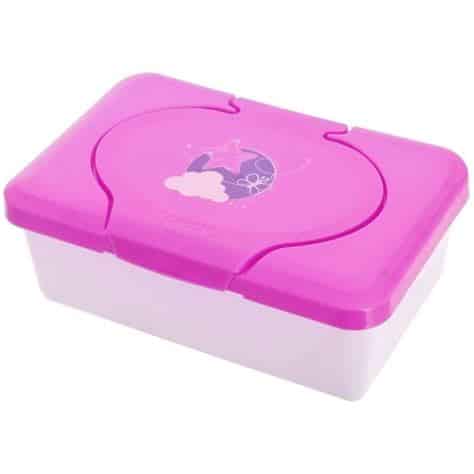
Copyright "No to disposable wipes"
Noireônaturel brings you an excellent article dated December 2002, taken from the excellent Belgian website "the eco-consumption network".
"Having appeared on the market only a few years ago, "wipes" are experiencing very significant market growth. Today, there are wipes for cleaning the house, for wiping babies' bottoms, for removing makeup, but also for cleaning your dog, refreshing your feet, or applying sunscreen to your child!
THE "DISPOSABLE" ERA
Wipes are pieces of textile, impregnated or not with a product (detergent, makeup remover milk, cologne, etc.), intended for a specific use, suitable for a single use. After which, they are designed to be thrown in the trash. Their commercial success can be explained by their practical advantages (ready to use, easily transportable, disposable, no need to be cleaned, no need for water, etc.), but also by the advertising developed to support their sale. The "disposable" era is highly valued: disposable means comfort, modernity, progress, and the opposite of "old-fashioned."
Furthermore, consumers do not perceive this product as harmful to the environment. On the contrary, they believe it is a more ecological product that saves water.15 TIMES MORE EXPENSIVE. The commercial success is surprising, however, when considering the price of these products: the use of wipes significantly increases the cost of an item such as cleaning or dusting. A comparison of the "floor cleaning with wipes" scenario with the "floor cleaning with a cloth and detergent" scenario shows a 15-fold increase in cost!
ENVIRONMENTAL IMPACT
Disposable wipes present a major environmental drawback: they considerably increase the amount of household waste. While most detergent product bottles are collected through selective sorting, wipes produce non-recyclable waste that swells "all-purpose" bins. Some of this waste is dangerous for the environment when disposable wipes are impregnated with a product classified as such (dissolvent wipes, dry cleaning wipes, toilet cleaning wipes, etc.).
The waste production of "21st-century cleaners"Scenarios have been calculated to assess the surplus cost and waste production caused by wipe consumption (survey by the Brussels Observatory for Sustainable Consumption). For a household needing to maintain a 100m2 house, 12m2 of glazing, a bathroom, a kitchen, and a toilet: Scenario 1: traditional cleaning
If this household uses a broom, mop, water, and detergent to clean the house, it consumes an average of 12.5 liters of detergent and 1820 liters of water per year, produces 1160 g/year of packaging waste, and spends €34.83/year.Scenario 2: cleaning with wipes
A household that uses wipes to maintain this house consumes an average of 1530 wipes/year, produces 23 kg/year of waste, and spends €555.77/year.The increase in household waste production is not the only unfavorable ecological impact. Other environmental problems are linked to wipe consumption: increased resource consumption, energy consumption, transportation, etc.
HEALTH IMPACT
Disposable wipes are also potentially dangerous products for human health. For example, wipes intended for cleaning floors or sanitary facilities cannot be used for skin cleansing (it is even recommended to use them with gloves).
TYPES OF DISPOSABLE WIPES AND ALTERNATIVES
Less polluting, cheaper, and more effective alternatives to disposable wipes exist. When wipes are not simply superfluous...
| Type of wipe | Alternative |
| LAUNDRY CARE | |
| Stain remover wipe | Water + detergent Ox gall soap-based stain remover |
| Tumble dryer sheet (fabric softener) | Liquid fabric softener |
| Dry cleaning wipe | Choice of clothes that do not require dry cleaning Use of a specialized service that must comply with specific standards. |
| Color protection wipe | Superfluous product Sorting laundry before washing |
| HOUSEHOLD CLEANING | |
| Wipe for cleaning washable surfaces | Water + detergent |
| Wipe for dusting the floor | Broom |
| Wipe for dusting furniture | "Dust cloth" |
| Wipe for cleaning the floor | Squeegee (or "El Mocho" type brush), used with water and detergent |
| Wipe for cleaning windows | Squeegee with water and a little detergent |
| HYGIENE AND COSMETICS | |
| Wipe for cleaning glasses | "Cloths" |
| Deodorant wipe | Deodorant stick |
| Refreshing wipe | Water |
| Skin cleansing wipe | Water + possibly soap |
| Makeup remover wipe | Water or makeup remover milk |
| Intimate hygiene wipe | Water + specific detergent |
| Wet toilet paper | "Normal" toilet paper |
| Foot relaxing wipe | Superfluous product |
| Sun protection wipe | Sunscreen product in tube or bottle |
| Wipe for washing the dog | Water + soap |
Read more
Indeed, moisturizing does not mean greasing excessively or with just anything. Be aware that most overly greasy elements prevent the scalp from breathing. This can create a chain reaction leading t...
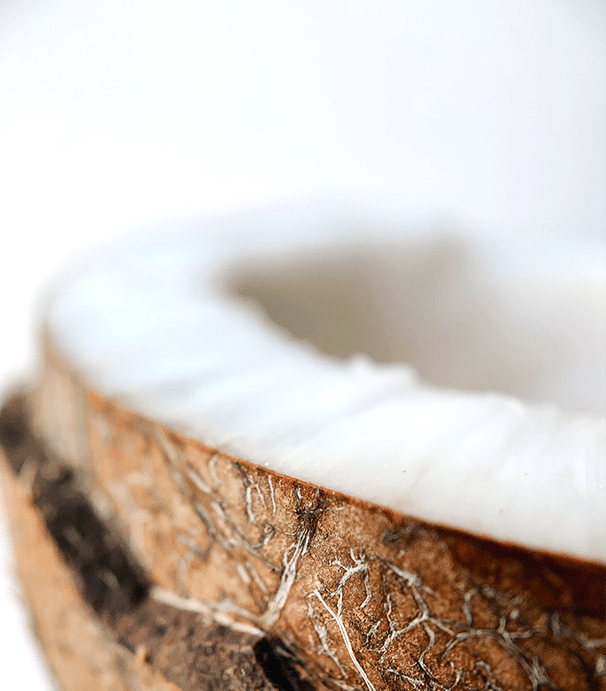
Copyright Noireônaturel "Coconut fiber, a by-product of the coconut, is also used in the industry: Brushmaking (brooms), for which one of the raw materials is a selection of long, combed fibers fro...


Leave a comment
All comments are moderated before being published.
This site is protected by hCaptcha and the hCaptcha Privacy Policy and Terms of Service apply.