




Sesame oil: beauty, health, it's all good
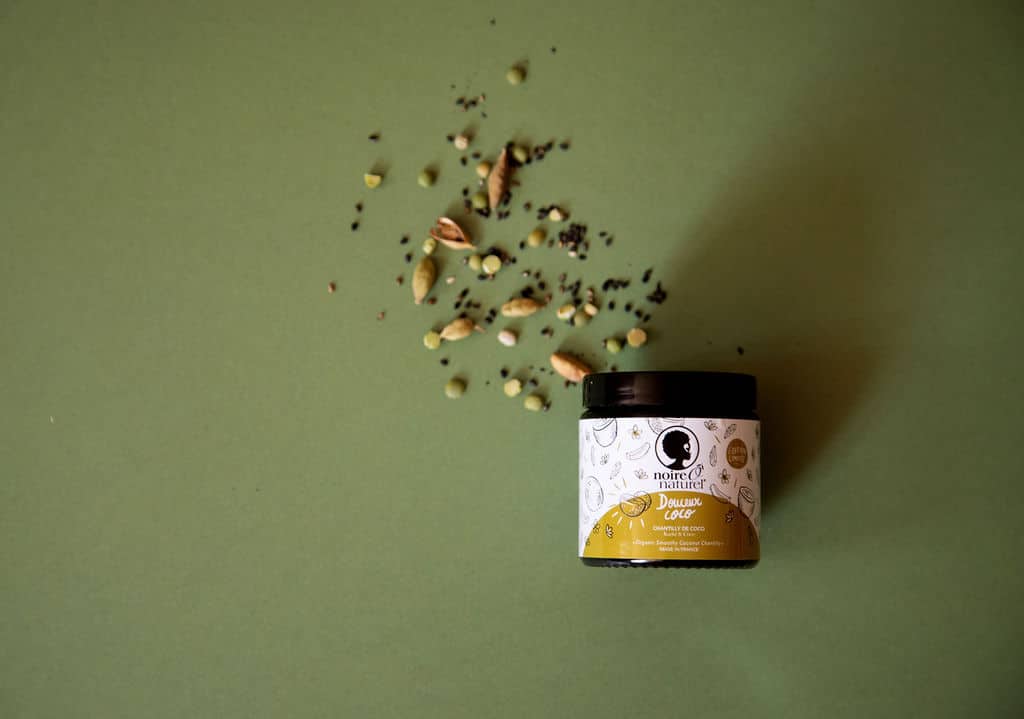
Of Indian origin, sesame is a small herbaceous plant about a meter high that produces capsules containing about 200 tiny oval, elongated, and flattened oleaginous seeds, which can be black, red, or white. There are two ways to obtain this oil by pressing: the first involves toasting the seeds beforehand, which results in a darker oil with a nutty fragrance.
For cosmetic use, it is best not to roast the seeds to preserve all the oil's characteristics. The seeds are then cold-pressed, without roasting. This produces a clear oil with a light smell and a very pronounced sesame taste.
Widely used in oriental cuisine, the benefits of sesame oil for the skin are particularly appreciated. Highly penetrating, sesame oil is primarily known for its regenerating and softening properties for the epidermis. Its content of vitamin E, sesamoline, and lecithin gives it antioxidant properties ideal for mature skin.
Sesame has been cultivated in East Africa and Asia for about 5000 years. Its small seeds are very precious. They contain a lot of unsaturated fatty acids, but quickly go rancid. Rich in fiber and minerals, sesame is a powerful remineralizer. As a regulator of acid-base balance, it is a pillar of macrobiotic diets, which recommend it in grain form as well as oil. It has a pleasant nutty taste and can be incorporated into many dishes.
The benefits of sesame oil
Sesame is a laxative, anti-arthritic, and beneficial for the nervous system. It is an excellent remineralizer, detoxifier, and antioxidant. It protects the cardiovascular system.
It is used to facilitate blood circulation, digestion, and states of fatigue. Its fats are composed of more than 40% monounsaturated fatty acids (oleic acid) and 40% polyunsaturated fatty acids (omega 6 and 0.5% linolenic acid), which are essential for the body.
The folic acid it contains is essential for cell formation and highly recommended during the first trimester of pregnancy, or even before conception. It also strengthens the immunity of newborns and promotes lactation.
Uses of sesame oil
You can buy raw or roasted, refined or whole seeds. Be careful, conventional sesame refining is done with chemical substances! The seed is so small that it is difficult to chew, and it then passes through the digestive system without being assimilated. Ground sesame is therefore more effective.
Gomasio is a mixture of ground whole sesame and salt (4 to 5%). In this form, its nutrients are better absorbed, as is the salt which is coated with oil… It should be kept in the refrigerator, for a maximum of one month if you want it to retain its full aroma. Sprinkle it on salads, vegetables.
Ground sesame paste is called tahini (or tahin), and is widely used in the Middle East as a condiment. It can be found in refined or semi-whole form (stronger in taste, richer in minerals). Combined with lemon juice, salt, pepper, and spices, it makes a very good dressing for raw vegetables… But it can also simply be used spread on slices of wholemeal bread, for a truly energetic breakfast.
You can also find sesame preserve, which is tahini already mixed with cane sugar, for use on bread for a snack, for example.
Sesame oil has a very pleasant light taste for dressings. You can heat it (but it will then lose some of its properties) to stir-fry vegetables in a wok, or better yet, add it at the end of cooking to your still-hot vegetables.
The benefits of sesame oil in cosmetics
Sesame oil is also perfect for external use: it easily penetrates the skin, softens it, protects it from UV rays, nourishes it, soothes irritations...
- It keeps the skin supple and elastic.
- Heals and gives very good results on stretch marks.
- A valuable aid for adolescents with acne problems.
It was mistakenly thought that oils were bad for problem skin. Hydrocarbon-based oils and creams are harmful to all skin types. But sesame seed oil is an oil that is genuinely good for young skin.
It controls skin eruptions and neutralizes toxins that develop on the skin's surface and in the pores. With sesame oil, no beauty products are necessary. The skin will maintain its youth and good health.
Used on baby's skin, sesame seed oil protects against diaper rash. In the nose and ears, it protects against common pathogenic skin microbes. For schoolchildren who are around other children infected with colds and coughs, sesame seed oil protects against airborne viruses and bacteria.
The health benefits of sesame oil
Sesame oil is reputed to maintain or restore vitality, to be a tonic, and to help fight fatigue and stress.
Some authors attribute the magical formula "open sesame" to the observation, over millennia, that consuming sesame favorably impacts memory and clarity of mind. In the East, it is a symbol of abundance.
 Since ancient times, sesame has been used in oil form, which hardly goes rancid, for food preparation and as a cosmetic product. In Hindu mythology, sesame was a symbol of immortality.
There are different varieties of sesame. They can be brown, black, or white. The black variety is poorer in oil but richer in trace elements than the brown variety.
Sesame is cultivated in Central Africa, Mexico and Central and South America, Sudan, India, China, and Japan.
When sesame is white, it is hulled. It is preferable to consume whole sesame, because its hull is separated by a chemical process that reduces its nutritional value. Sesame seeds sold in traditional commerce have generally been chemically treated during cultivation, so it is important to consume only organically grown seeds.
Sesame seeds are rich in good quality proteins (22%) containing all essential amino acids. They are also rich in assimilable organic minerals (magnesium, potassium, copper, iron), and vitamins B and E. They contain 52% fat, of which 85% are unsaturated fatty acids.
Focus on sesamin
One of the constituents of sesame seeds is sesamin, a lignan that has been shown to be a very powerful antioxidant and, according to some researchers, an effective weapon against certain cancers. Lignans are particularly effective in fighting breast cancer and probably prostate cancer. Even when tumors manage to develop, lignans have the effect of slowing down and even stopping their growth. A study conducted on guinea pigs showed a 50% decrease in mammary tumors after adding flax seeds to their diet. Lignans therefore seem to help fight cancer, bacteria, viruses, and fungi.
Sesamin also increases the amount of available vitamin E in the blood and tissues, including the powerful gamma-tocopherol, which helps reduce inflammation levels in the body. The lignans in sesame seeds also help lower bad cholesterol (LDL) and increase good cholesterol (HDL).
The simplest use of sesame is to sprinkle the seeds on raw vegetables, salads, cereals, in soups, and as a garnish on pastries and biscuits.
Highly nutritious sesame-based products
Tahin or tahini: This is a sesame butter obtained by grinding lightly roasted sesame seeds. A small amount of salt (preferably sea salt) can be added.
Gomasio: This is a sesame salt. The seeds and sea salt are lightly roasted separately, then ground together. Sesame, whose oil is rich in unsaturated fatty acids, essential amino acids, and lecithin, strengthens the nervous system and neutralizes acidity, while sea salt promotes the secretion of digestive juices and stimulates the entire metabolism. Gomasio is used to season dishes. It is an excellent substitute for traditional table salt.
The Middle Eastern halvah is prepared from crushed sesame seeds and honey.
Finally, it should be noted that the famous and very nourishing "hummus", a dish of Lebanese origin, is composed of a base of sesame butter or tahini, to which is added a chickpea puree, yogurt, and a few other ingredients that will vary from one recipe to another.
The virtues of sesame
Finally, know that sesame seeds, black or white, are excellent for health. Rich in fiber, they contain many minerals: calcium, magnesium, manganese, phosphorus, iron, zinc. They will provide you with vitamins E, B1, B2, B3, B6, and B9, as well as antioxidants provided by phytoestrogens and phytosterols.
Source: les végétaliseurs, wikipedia
Was this article useful to you? Save it on Pinterest to find it later:


Read more

We often feel helpless and lack benchmarks and information regarding the specific nature of our hair and the care needed to preserve its character, whether it's curly, coily, or kinky. As kinky hai...

© Okhai Ojeikere Caring for frizzy hair, naturally! ..."Their structure means they are insufficiently lubricated by sebum, making them very dry and difficult to detangle.Alas, to wash them, you mu...


Leave a comment
All comments are moderated before being published.
This site is protected by hCaptcha and the hCaptcha Privacy Policy and Terms of Service apply.