
Natural Cosmetics: Read the Labels
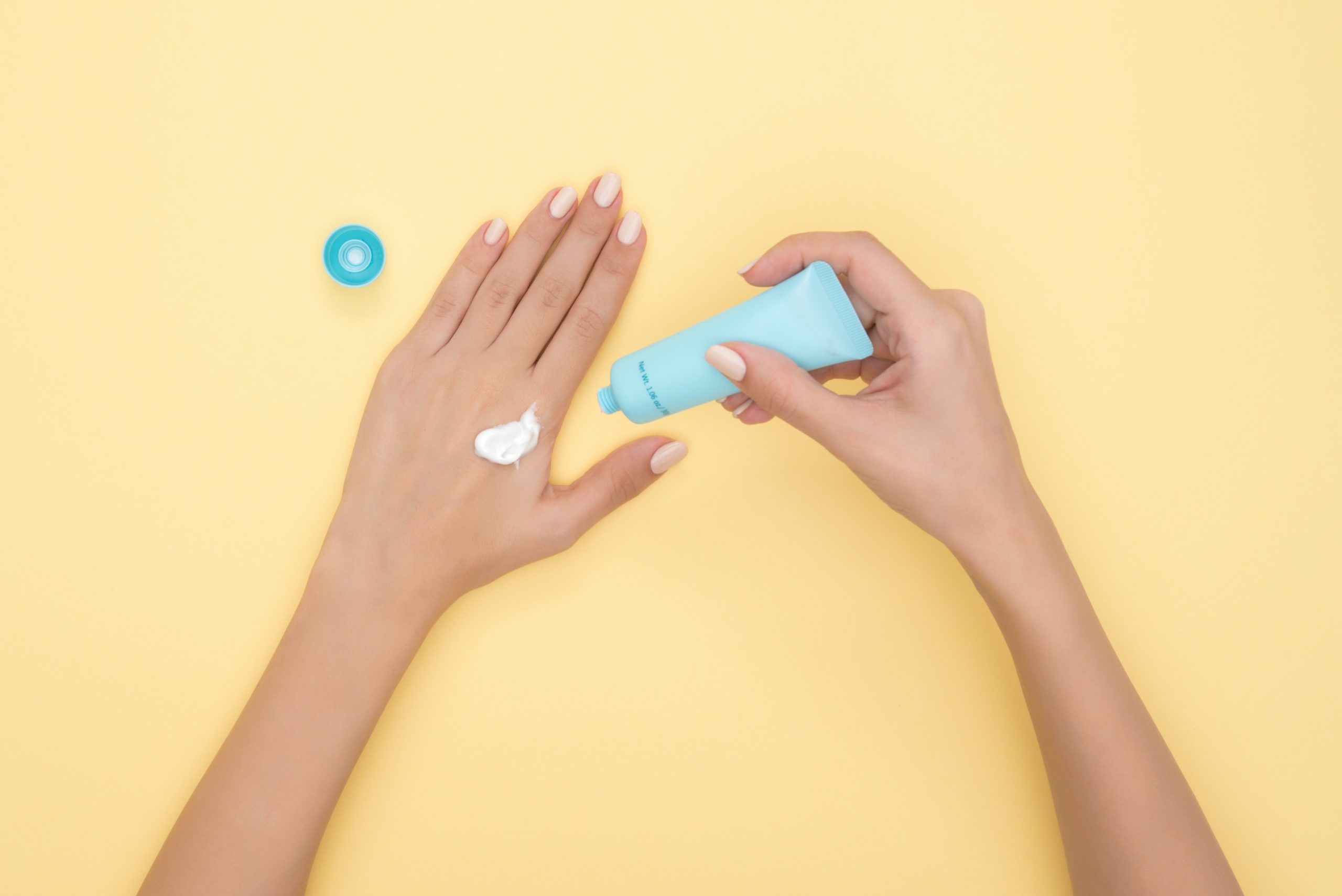
copyright l’observatoire des cosmétiques
I wonder: when I see the rise of certain "organic" cosmetic brands that are not even certified, displaying the "organic" label and having an ingredient list just as long as those of conventional cosmetics, even though we know that natural skincare products generally contain a limited number of highly qualitative active ingredients.
And what can we say when the first ingredient mentioned is "water"? Let me remind you that ingredients are listed in descending order, so the first active ingredient mentioned is the main active ingredient in the composition, and so on.
In other words, you've just spent a certain sum, not to say a significant sum, for a product whose main active ingredient is WATER!
Which in itself can be problematic for organic cosmetics, one is then entitled to wonder what the proportion of organic ingredients would be, especially if water represents 95% of the said composition. Only floral waters can be truly organic (and certified) and have an impact on the health and beauty of our skin or hair! So, ladies, what can I say but: read your labels, don't be fooled, and stay vigilant.
Act as conscious consumers! A word to the wise...
"Studying the composition of a product is the only way to truly appreciate a cosmetic (much more accurate and precise than reading a sales pitch or an advertisement!). But the task is not always so easy: first, you often need a good magnifying glass, and above all, you then need to know how to decode its language. Here are some keys to better understand the list of ingredients..."
"Natural ambiguities and traps
The terms "natural" and "of natural origin" must already be correctly decoded to be well understood. They are also "polluted" by a series of amalgams and preconceived ideas that often hinder their proper appreciation. Some examples:
It's natural, so it's good
The term "natural" is part of a very popular trend in the cosmetics market (natural and organic) and implies a plant-based composition, as opposed to ingredients of synthetic origin, often criticized for their polluting potential and risk of toxicity. This is often how it is implicitly understood by consumers... And manufacturers who put the word "natural" on their product labels send us a message: "here is a cosmetic that is safe for the environment and for your health."
This is not always true, of course. A death cap mushroom is as natural as it gets, but consuming this poisonous fungus, which causes fatal poisoning, is nevertheless unanimously discouraged. All things being equal, the same applies to cosmetics: certain natural active ingredients may be inadvisable in some cases, or prove to be allergenic...
Similarly, as we have seen, a "natural origin," if it is somewhat distant, is not always able to guarantee compliance with ecological criteria.
It's natural, so it's organic
This is not necessarily true either. While organic labels guarantee more "natural origins" than conventional cosmetics, the plant ingredients in so-called "natural" cosmetics are not necessarily from organic farming. Jojoba oil will always be of natural origin, whether it is organic or not.
It's "nature-identical," so it's natural
Beware, "nature-identical" is nothing other than... truly synthetic. Sometimes you have to call a spade a spade, and a copy of a natural molecule, recreated in a laboratory... a synthetic ingredient. It may resemble natural, but it isn't. Even if it allows some to claim to be 100% natural, playing on the ambiguity of the concept...
It's "with argan oil," so it's natural
A natural ingredient does not guarantee an overall natural formula. A fragrance can be natural (meaning mainly composed of essential oils) and scent a very synthetic cream. Natural origin sweet almond oil can be claimed in a shower gel whose surfactants are derived from pure petrochemicals. 100% natural active ingredients can act in a base that is only 2% natural in total. It is always beneficial to consider what is truly natural (and at what percentage in the formula) and what is not at all..."
To learn more, also read "Learning to read labels"
Source: l'observatoire des cosmétiques
Read more

The contents of school bags deserve a closer look, both from an environmental and social perspective. Back to school is an intense commercial period, and rising costs are frightening parents... an...
Tips and Care for our Children with Curly, Frizzy or Kinky Hair! © Jaimie Duplass Discover our "Ti-manmaille" section If you have children, you have undoubtedly spent long moments of solitude durin...


Leave a comment
All comments are moderated before being published.
This site is protected by hCaptcha and the hCaptcha Privacy Policy and Terms of Service apply.