
Characteristics of Black and mixed-race skin
© poco_bw

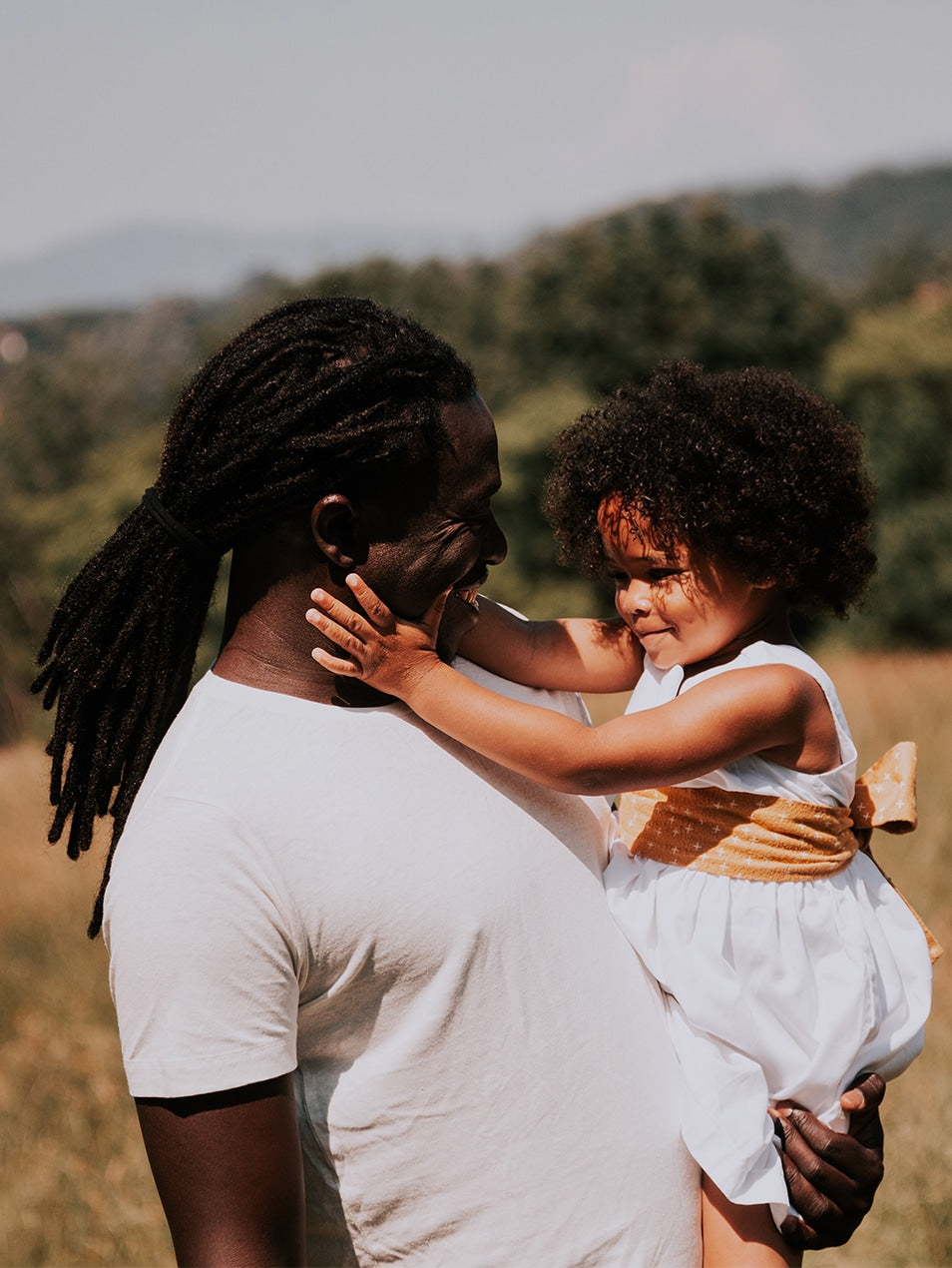
Whether white or black, every skin is unique and reacts to the environment in a particular way. While light skin is at high risk of skin cancer and darker skin is better protected against the sun's rays, there are specific reactions for each pigmentation type.
Skin can exhibit different colors depending on its origins; there isn't really a skin color directly associated with a country or a region of the world. In reality, all possible skin colors exist, due to the mixing of populations. These colors are linked to the greater or lesser presence of melanin in the dermis, a pigment whose role is to protect the skin from the sun's rays.
Over the last ten years, the cosmetic industry has taken an interest in these differences and has tried to develop tailored solutions to the specific needs of each skin type.
In this article, we'll focus particularly on the characteristics of black and mixed-race skin.
Melanocyte at the Heart of Skin Pigmentation
The skin organ is composed of a multitude of cells that are very different from each other, with precise roles. Among them, melanocytes are the defense mechanism against the sun.
Inside melanocytes are small corpuscles, melanosomes, which produce melanin. It is this melanin that colors the skin. This molecule is a pigment that is transported to the upper part of the skin to absorb the sun's rays, and also to protect all skin cells from UV rays.
The darker the skin, the greater the quantity of melanin present. This is why skin cancer is less common in people with black skin. In people with very fair or red hair, melanosomes produce a slightly different substance, called pheomelanin. It is often red, sometimes yellow, and offers very little protection against UV rays.
Colored skin can be associated with specific hair. People with kinky hair often have black skin, but the converse is not always true. Thus, populations in South America or Asia with very dark skin have very straight hair.
Dermatological Problems Linked to Poor Adaptation
Very intense UV radiation, hot and humid atmospheres... Skin color is a factor of adaptation to specific climatic conditions to protect the body from external aggressions. However, when black and mixed-race skin finds itself in dry and cold climates, it suffers from dehydration.
This is the main problem encountered by colored skin, especially that of Southeast Asia. Eczema and acne are direct consequences. The skin is very dry in some places and cannot rebuild its protective film. Local inflammation occurs, which is eczema. Also, to combat skin dryness and in the absence of sun, the skin on the face produces more sebum, resulting in acne.
The scalp also suffers from dryness, and can itch. This is the beginning of itching and dandruff.
Pigmentation Abnormalities of Black Skin
Dark spots on the skin are the biggest concerns for black skin. This disruption of skin tone harmony is actually due to inflammation, and thus a medical problem, which leads to transient hyperpigmentation.
Eczema, acne, many dermatological diseases can cause inflammation. On dark skin, this inflammation in the epidermis stimulates melanogenesis, which is why the skin is darker in that area.
Practically, all these spots are treated with underlying treatments that cure the disease responsible for these spots. However, it is essential to make an accurate diagnosis so that the skin can regain a more uniform color.
Skin Lightening
The use of lightening creams has developed over the past thirty years due to a growing desire for lighter skin, which seems linked to various motivations, but mainly to the canons of modern beauty: an ideal tanned, but not too dark, complexion.
Old methods used in Africa (shampoos or detergents applied to the skin) have long been abandoned, but new, even more aggressive products are sold en masse in stores specializing in "Afro" cosmetics.
❌ Two controversial active ingredients are used in these products: hydroquinone (banned since 2003; it depigments the skin "like confetti", with many small white spots corresponding to areas where melanin is no longer produced) and cortisone (it thins and atrophies the skin, causing large stretch marks especially on the arms and thighs, and difficulties in healing).
Cortisone is a medication and is not authorized for over-the-counter sale. Yet it is found in these more or less counterfeit products. The only local treatments authorized for sale contain mild depigmenting agents (fruit acids, AHAs, vitamin C, plant extracts with a so-called "hydroquinone-like" effect).
The use of these whitening products unfortunately leads to sometimes irreversible consequences such as stretch marks and skin infections. The fragilized skin is then more susceptible to infections with the appearance of boils and abscesses. Hormonal effects are marked by the appearance of hair or acne on the face.
More rarely, the excessive and very prolonged use of these cortisone-containing creams can cause hypertension, diabetes, or hormonal imbalance.
What about sunscreens?
Authorized sunscreens on the market are available over-the-counter. They don't pose a real danger, but can cause allergies or intolerances. They are often greasy and can lead to cosmetic acne. Their sun protection factor is too low to be truly protective.
Laser treatment is also offered by some dermatologists to reduce the intensity of hyperpigmented spots. However, it is solely at the discretion of an experienced dermatologist to determine whether or not this method will be effective.
To date, no harmless product capable of completely erasing a dark spot exists, but dermatologists know how to use the mentioned products, offering some effectiveness. In all cases, the use of cream, peeling, or laser to reduce dark spots on the skin offers very random results.
It is sometimes better to leave a slight imperfection and learn to live with it than to try a product that would worsen this slight problem.
Source: dermato-info.fr
Found this article useful? Save it to Pinterest to find it later:


Read more
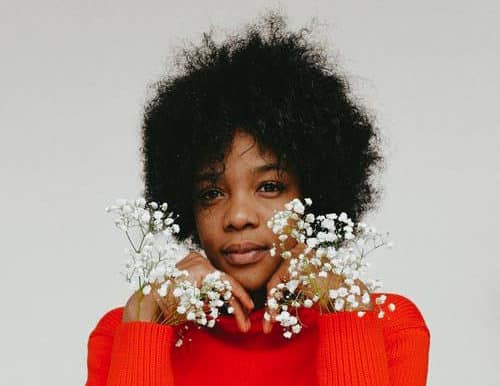
Winter is here with temperatures well below 0°C, wind, and so on.In short, all these natural weather elements do not help the natural dryness of our hair.Whether you wear it natural afro, straighte...
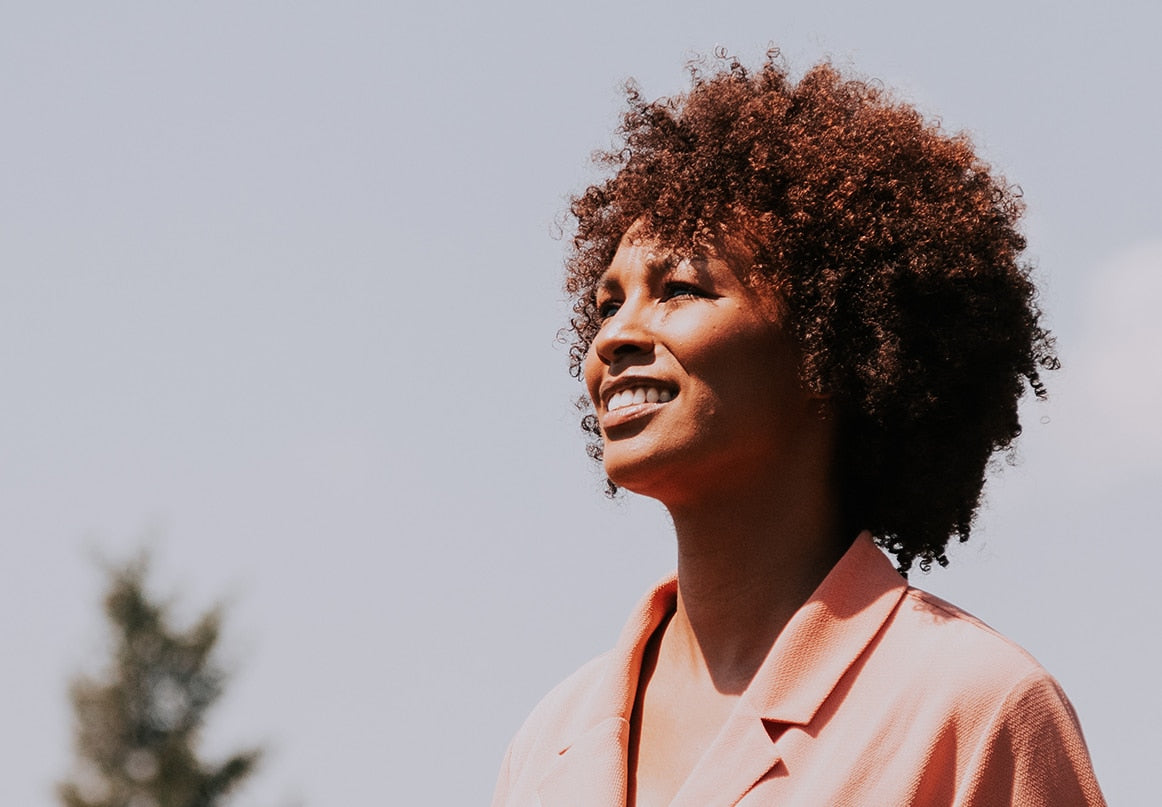
Rinse thoroughly, then from the scalp to the ends, strand by strand, apply shea butter, jojoba oil, or carapate oil. These products lubricate and soften frizzy hair.


Leave a comment
All comments are moderated before being published.
This site is protected by hCaptcha and the hCaptcha Privacy Policy and Terms of Service apply.