


Organic shampoos are making waves: explanations
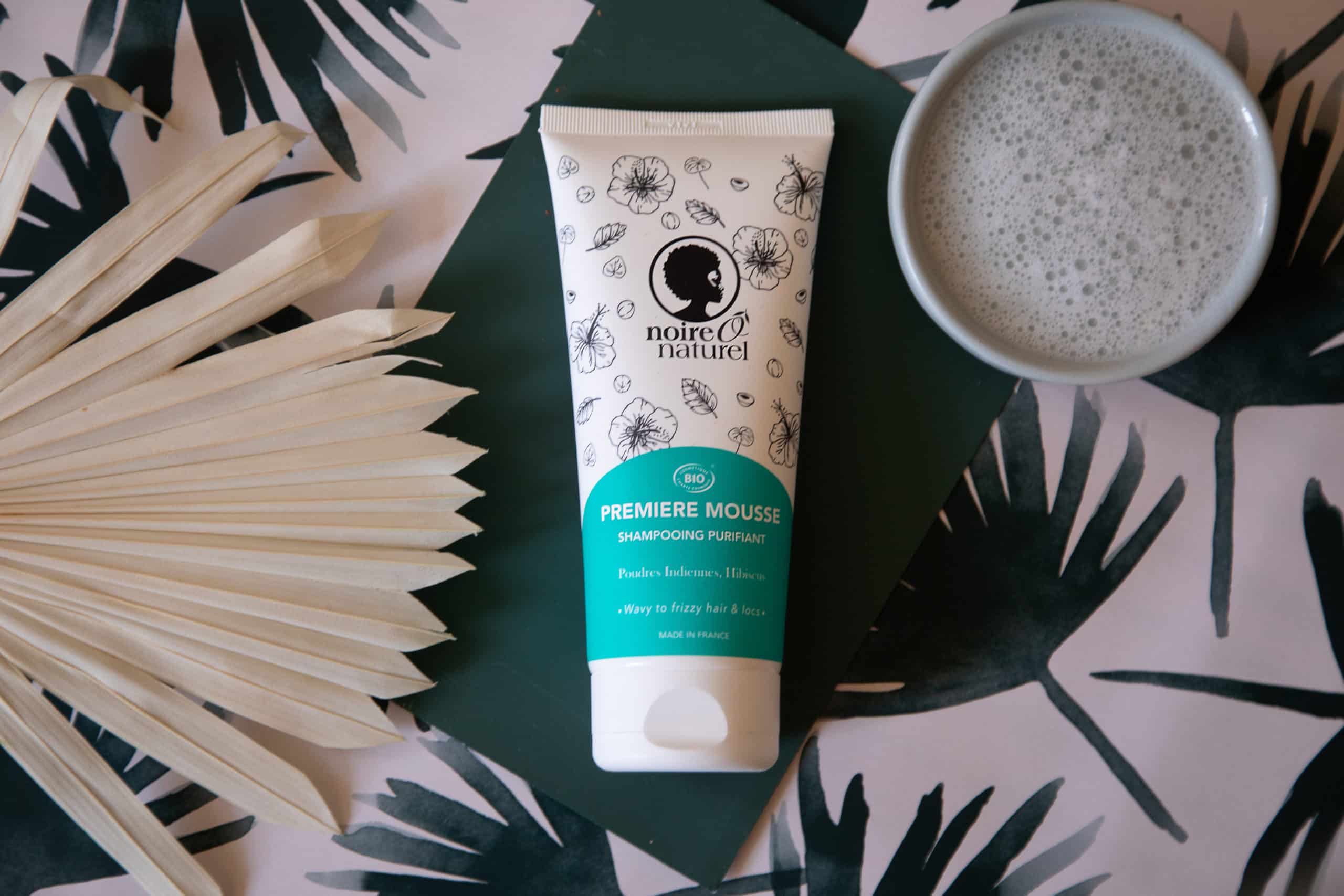
Why doesn't my organic shampoo lather much or at all? Is it less effective? What makes my conventional shampoo lather more? How do I choose the right shampoo? Are there natural shampoos suitable for kinky or mixed-race hair?
We will try to answer all these questions: first, a very well-written excerpt on surfactants by Centifolia, and then our cosmetic selection!
What is a surfactant?
It's a barbarous name for most of us, nonexistent in most dictionaries, or when found, its definition often remains too technical for us: surfactant (n.m) (chemistry) An agent or product that modifies the surface tension of a solvent in solution.
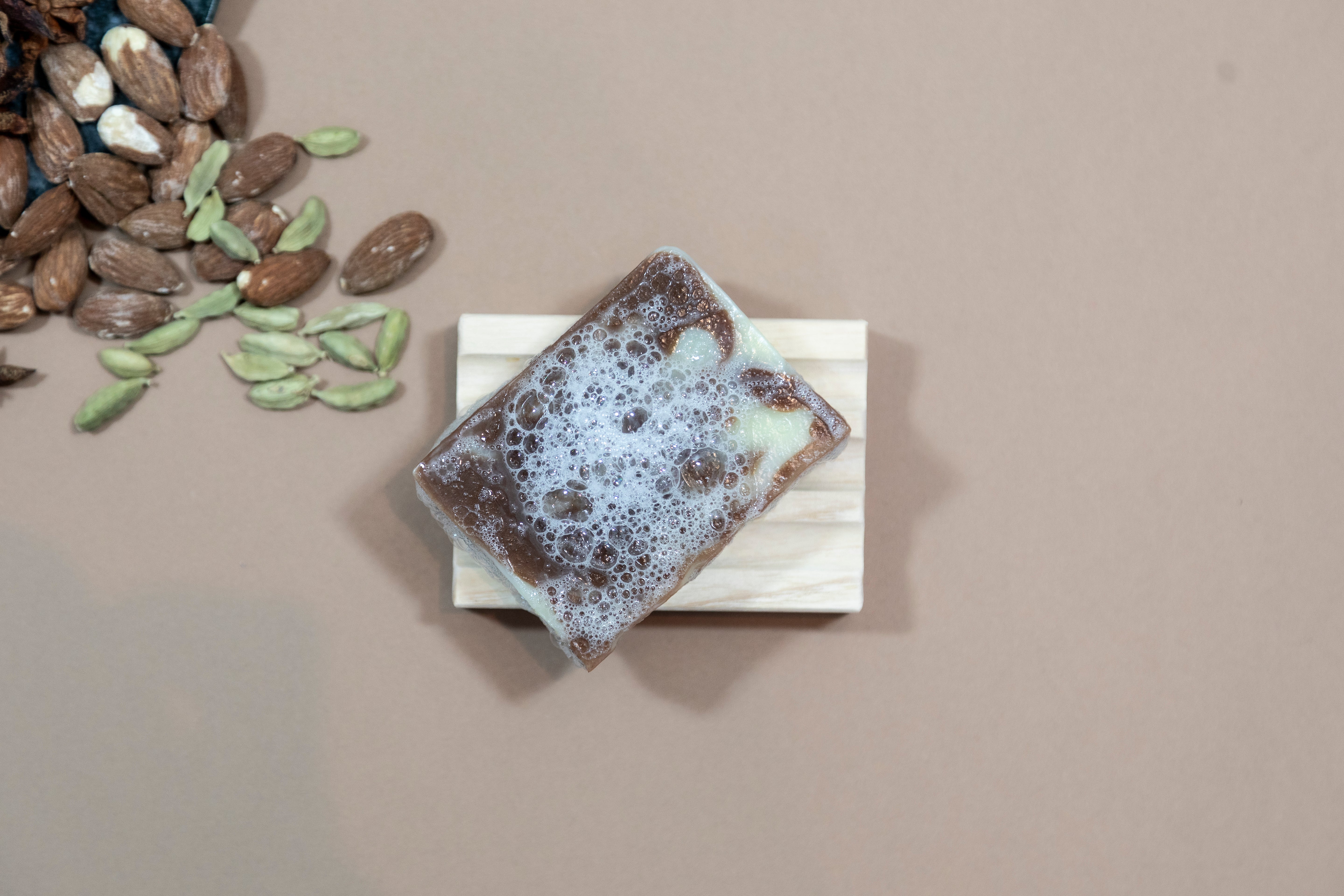
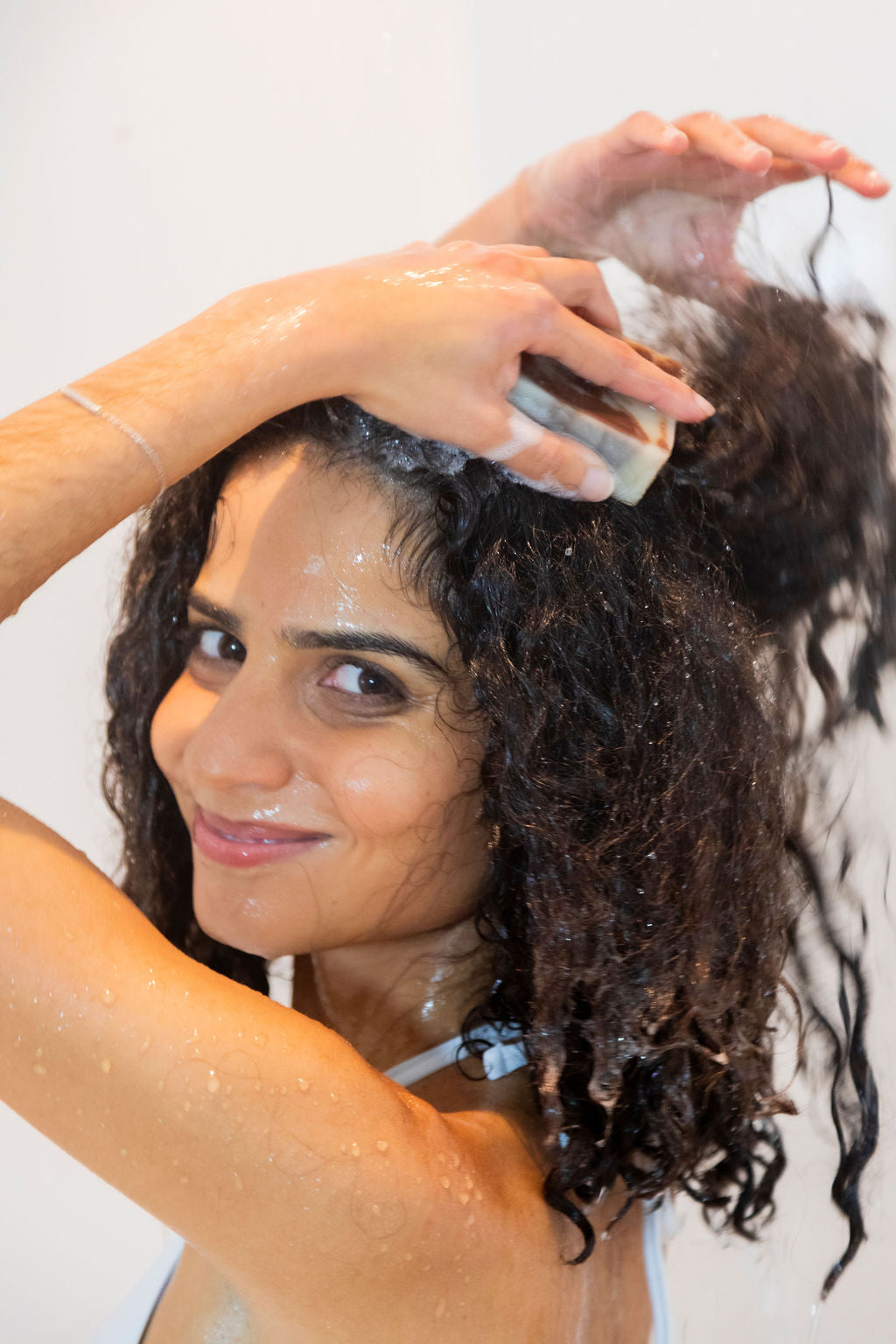
Indeed, surfactants are mainly used in shower gels and shampoos; they are cleansing substances capable of diluting fats in rinsing water. It is also thanks to them that a shampoo or shower gel produces foam.
This foaming effect allows for faster dilution of dirt and grease accumulated on the hair and, therefore, better detergency.
"But be careful, these substances are particularly aggressive for the hair and scalp and can lead to multiple allergic reactions. They attack the sebum, resulting in either hair devitalization or excess seborrhea: 'The hair then becomes dull and brittle,' warns Gisèle Ollivier, from the Cosmébio laboratory."
How is the abundant foam of conventional shower gels and shampoos produced?
A product that lathers a lot is often synonymous with harsh and cheap surfactants, mostly derived from petrochemicals. It has become urgent to reprogram our brains and stop believing that it is the foam that cleanses; no... It is only the result of purely chemical interactions.
In organic shampoo, aggressive surfactants are most often, but not always, replaced by mild, non-ionic surfactants, obtained from renewable raw materials such as sucrose, glucose, and starch.
Because what is expected of authorized surfactants in organic cosmetics is to cleanse gently to avoid any risk of irritation and, moreover, to be biodegradable out of respect for the environment.
But beware, it's not that simple because not all surfactants currently accepted (this will evolve with the upcoming implementation of the new COSMOS standard) in organic cosmetics are equal; some are more or less irritating for the body and hair, so grab your magnifying glasses to decipher the good from the not-so-good on labels....
For those who want to delve deeper into the subject, I have extracted this paragraph "Surfactants" from the book "The Truth About Natural Cosmetics" by Rita STIENS, which should be read urgently:
(...) Surfactants are generally classified according to their "harshness" and corresponding allergenic potential:
Cationic surfactants, used in shampoos for dry hair (to prevent electrostatic charge) and for their antibacterial properties, prove to be very irritating.
- Anionic surfactants are milder than the previous ones (Sodium Laureth Sulfosuccinate, for example).
- Amphoteric surfactants (like Cocamidopropyl Betaine) are even milder.
- Non-ionic surfactants, obtained from renewable raw materials (coco-glucosides, for example), seem particularly gentle on the skin. Compared to Sodium Lauryl Sulfate, also non-ionic, alkyl polyglycosides (APG or sugar surfactants) are significantly less allergenic. They are made from sucrose, glucose, and starch.
- Acylglutamates, even gentler on the skin, are still rare in body care products due to their high price.
(...) Excerpt from the book "The Truth About Natural Cosmetics" by Rita STIENS.
It is these surfactants – acylglutamates – that are used in the new CENTIFOLIA ranges, its shower gels called "vegetal showers," its neutral foaming gel, and its 4 shampoos with active ingredients from the French biotope.
According to Rita STIENS, (...)
RULE N°5 FOR NATURAL COSMETICS:
ONLY PLANT-BASED SURFACTANTS, EVEN IF THEY ARE NOT ALL EQUAL
In natural cosmetic products, it is customary to use mild, plant-based surfactants, but depending on the manufacturer, they are not all of the same quality. The mildest among the mild are acylglutamates, expensive surfactants that are much rarer than their cheaper competitors. Products in which surfactants play a major role (shampoos, shower gels) deserve that we take the time to compare the very diverse mixtures of surfactants that natural cosmetic manufacturers use.
Sodium lauryl sulfate and ammonium lauryl sulfate: how is it that they are allowed in certified products?
Products containing surfactants (shampoos in particular) present natural cosmetic manufacturers with a real conscience problem: indeed, consumers expect a shampoo to produce a beautiful lather (even if the quality of washing is not related to its importance). And since harsh surfactants lather better than mild ones... and the impact on price is not negligible either... (...) ... This does not mean that they are all good or produce the same effect on the skin.
How to recognize truly mild surfactants?
Sugar-derived surfactants are among the mildest. They are also called alkyl polyglucosides (APG). They are recognized by the word "Glucoside":
- Coco glucoside
- Decyl glucoside
- Lauryl glucoside
Acylglutamates are particularly mild. Based on amino acids, they are recognized by the word "Glutamate":
- Sodium cocoyl glutamate
- Disodium cocoyl glutamate
- Sodium lauroyl glutamate
Articles extracted from the book "The Truth About Natural Cosmetics" by Rita STIENS:
Purchase advice: In summary, consumers who want to be sure to buy a shampoo or shower gel that is gentle on their skin and safe for their health must learn to read the INCI on the back of labels... Grab your magnifying glasses, because most manufacturers highlight their "marketing" arguments and most often, the INCI is in very small print, because deep down they are not very proud of it!!!
Important tips:
A shower gel from the new CENTIFOLIA range produces less foam than a conventional shower gel or shampoo, but that doesn't mean it won't clean just as well. Maintain your habits, no need to use more, the foam will be more abundant if you apply it a second time.
Rinsing will be easier and will require much less water to completely eliminate the biodegradable foam, two real ecological advantages.
Judge for yourself over several applications; your scalp is respected and regains its balance, your hair is perfectly clean, it becomes softer, more vibrant, and all this safely for your health and the environment....
Obviously, our hygiene products are recommended for pregnant and breastfeeding women, for children, and for anyone with sensitive and allergenic skin problems."
Conclusion: to be a good shampoo, it's not enough to lather; it must also clean without aggressing, or even sublimate!
Noireônaturel recommends:
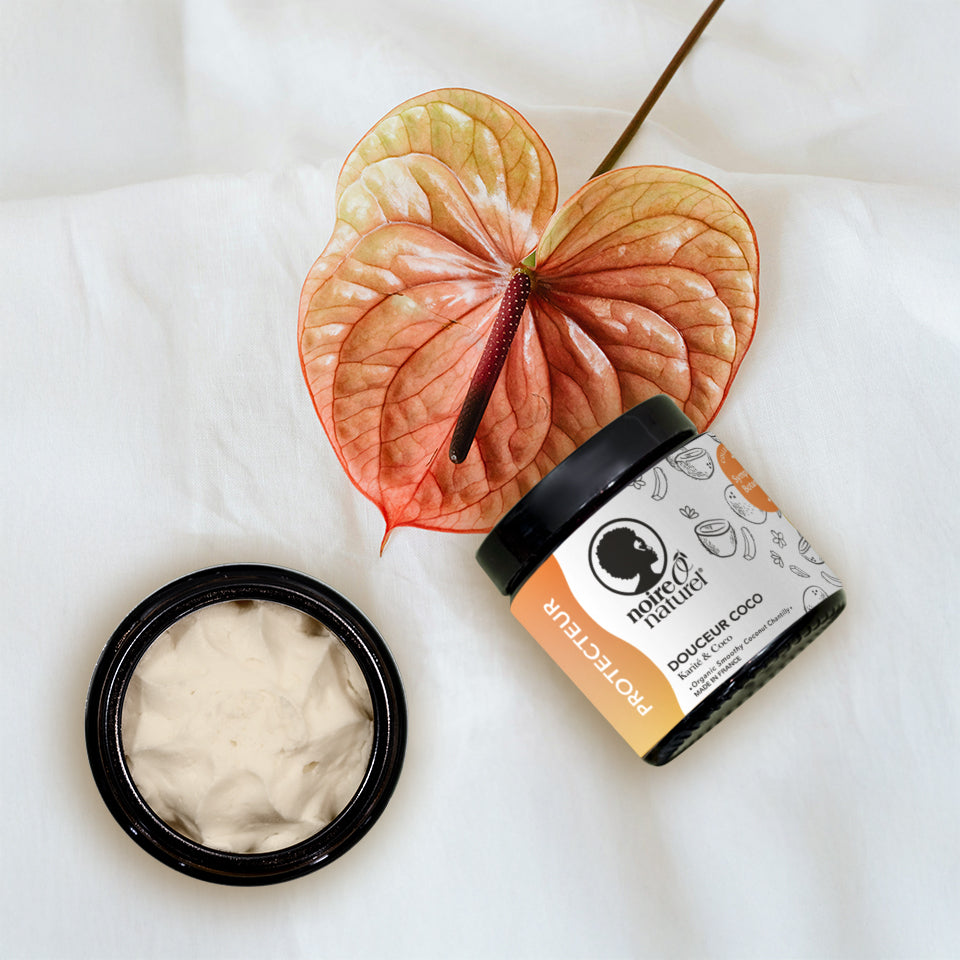
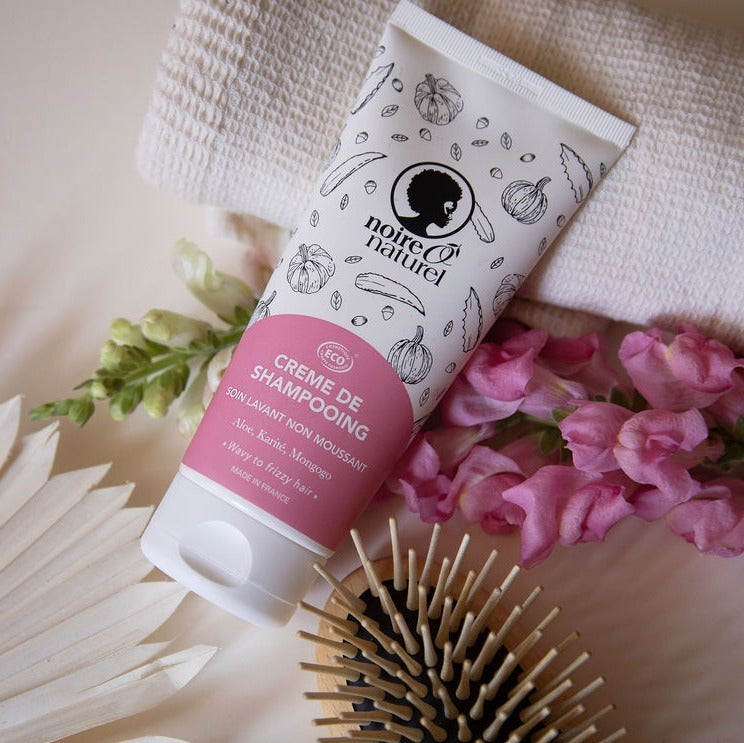
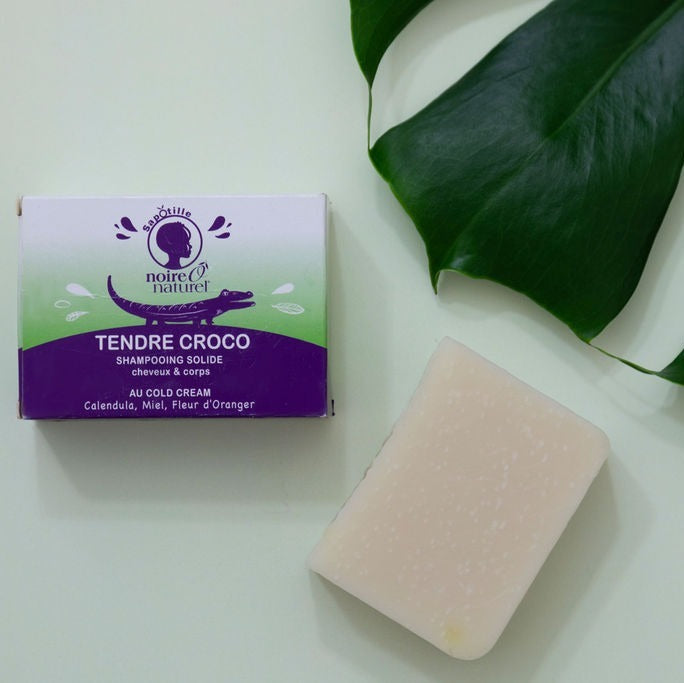
- Noireônaturel shampoo cream sulfate-free and rehydrating thanks to mango butter, aloe vera, mongongo oil, and organic sesame oil, 200 ml tube at €16.40.
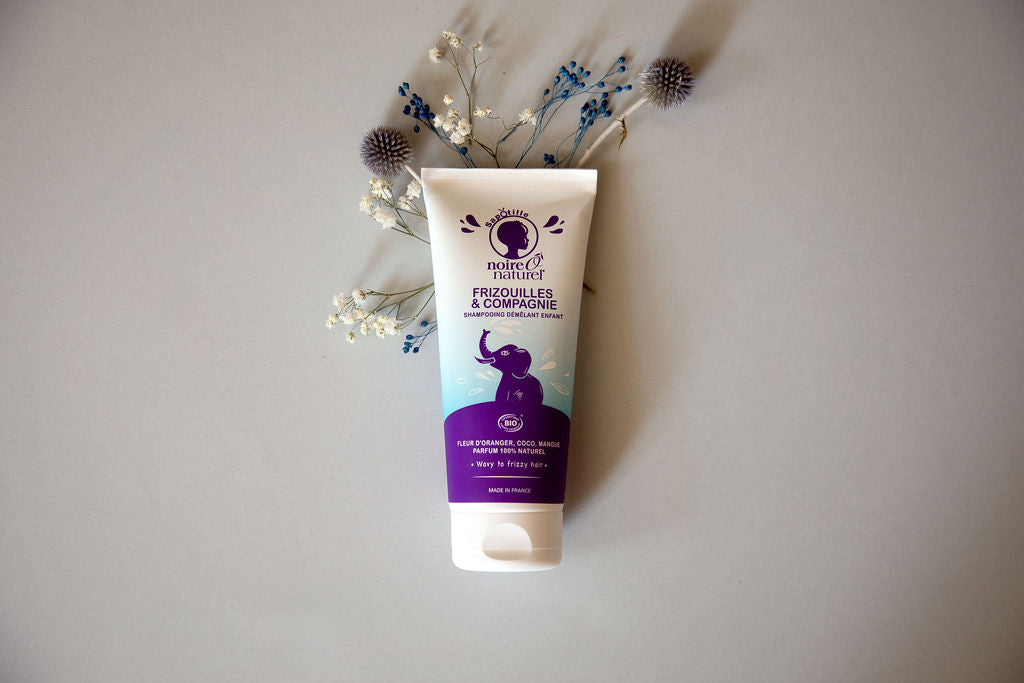
- The detangling shampoo for children, which is a 2-in-1. Sulfate-free and essential oil-free, our natural and organic detangling shampoo gently cleanses, detangles, prepares for styling, redefines curls, 200ml tube at €15.90.
Questions? Remarks? Recommendations?
Feel free to leave a comment!
Read more
If you have straightened hair, can you use organic cosmetics? Can organic cosmetics provide care for straightened hair?

Whether you're returning from vacation or getting ready to leave, this article is for you! Summer is here and your hair is dry from all the summer aggressions...Indeed, curly to coily hair, which i...


Leave a comment
All comments are moderated before being published.
This site is protected by hCaptcha and the hCaptcha Privacy Policy and Terms of Service apply.